NUBERT & CO SRL

www.finisaricudiamant.ro

Generic selectors
Exact matches only
Search in title
Search in content
Post Type Selectors

FASTLAP LAPPING PLATE FACING DEVICE

Your Key to Ultra Precision Lapping & Polishing

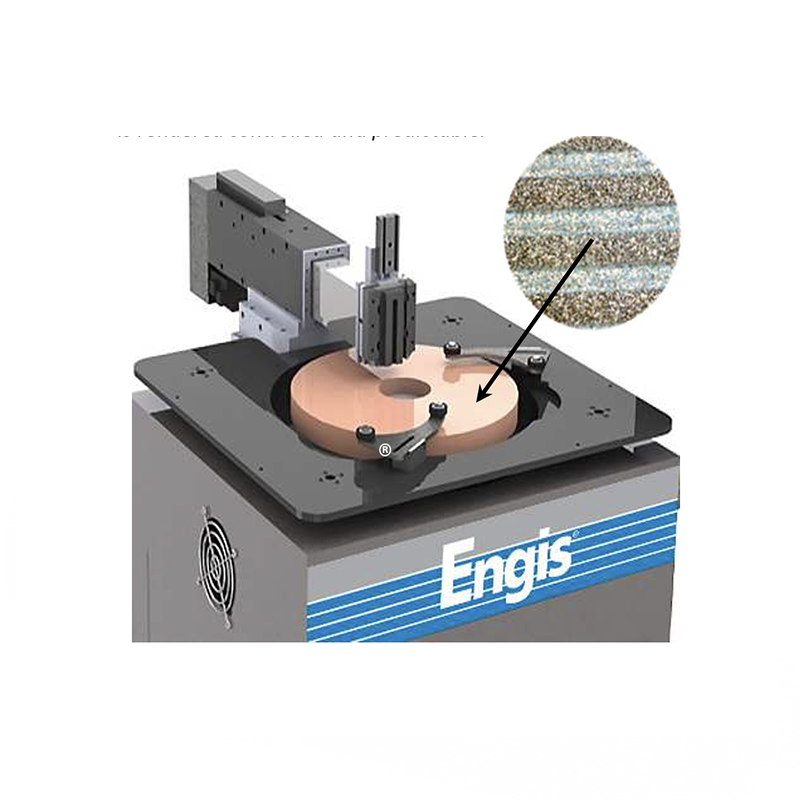
Maintaining the flatness of your lapping plate is critical to a stable process. Generally, this is achieved through the use of diamond plate conditioning rings, which require a high level of operator experience and skill. To reduce this challenge, Engis has engineered a solution that helps take the ‘black art’ out of lapping: the FastLap Facing Device.

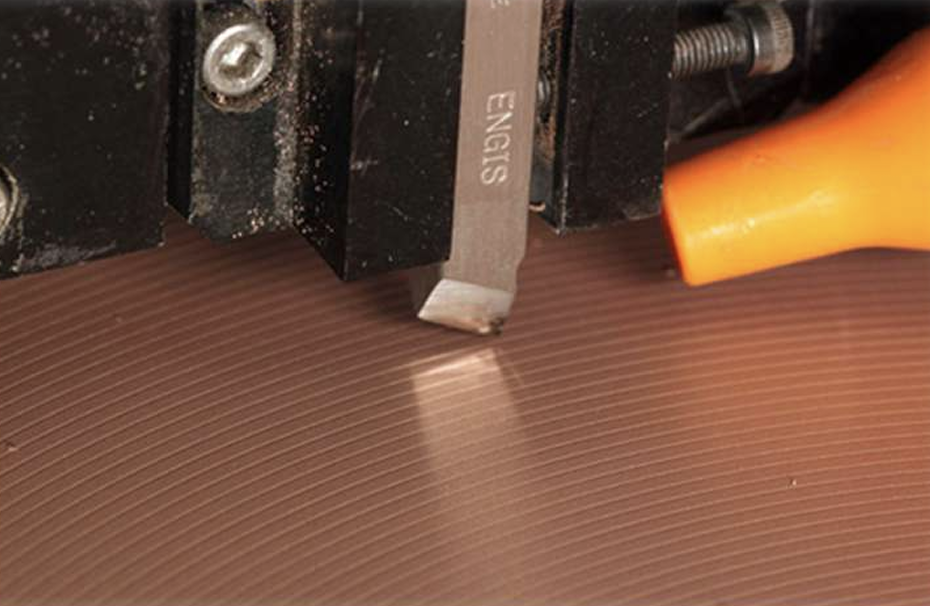
Using a diamond tool bit, this innovative Facing Device removes the top layer of the plate, flat to within microns, when reconditioning is necessary. Then, a groove pattern is machined in a second pass. When the device is not in use, it retracts out of the work zone.

The Facing Device, in combination with the pneumatic pressure heads of the FastLap machines, establishes a process that consistently achieves:

  • Accurate plate conditioning

  • Controlled surface geometry and texture

  • Fast, predictable stock removal

With predictable plate surface topography, groove pattern, and controlled velocity and pressure, the entire lapping process becomes easier to manage, and your results are more repeatable. This unit is operator-friendly and eliminates the strain of lifting conditioning rings onto the plate.

Standard Features:

  • FastLap machines with Facing Device are available either as simple facers with micro-grooving capability or as fully programmable servo drive units for deep grooving after facing.

  • The Facing Device control is integrated with the machine control.

  • Machines are available in eight plate sizes: 15″, 20″, 24″, 28″, 36″, 42″, 48″, 60″.

A Common Method Used to Predict Material Removal Rate
Preston’s Equation states that the material removal rate is proportional to the load on the workpiece and the velocity of the lapping plate:

M = K * P * V

Where:

  • M = Material removed

  • K = Preston’s coefficient (allows for process specifics)

  • P = Force per unit area (pressure/area)

  • V = Velocity of the lap plate relative to the component

As demonstrated in the equation, if the force (cylinder pressure), unit contact area (bearing area), and velocity (plate speed) can be accurately controlled, material removal rate becomes predictable and consistent.

Having Problems with Variable Lapping Rates?

Control Plate Flatness and Texture

The lapping plate is a key component of any lapping system and is often overlooked as an important variable.

  • Plate flatness is key to part flatness: The shape of the lapping plate influences the geometry of the parts being processed and contributes to achievable surface finish and lapping rates.

  • Lapping plates provide support in applying abrasive to the work surface in fixed, semi-fixed, or free lapping modes. Predictable, repeatable plate texture is vital to abrasive action.

  • Controlling the groove pattern (macro texture) and lands (micro texture) of the plate surface allows for greater consistency in removal rates and surface finishes. A consistent bearing ratio means consistent unit load.